
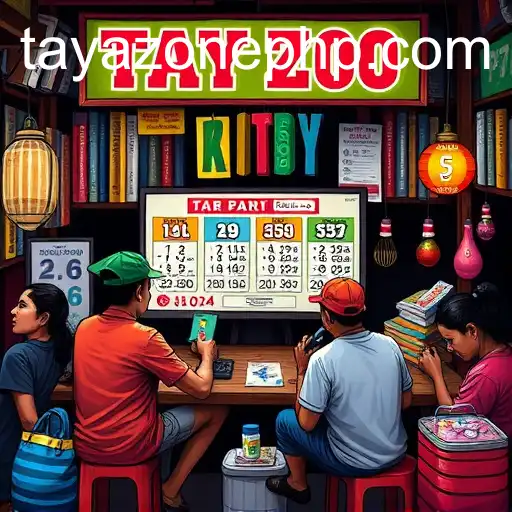
TayaZone | Exploring the Intricacies of Jueteng: The Role of TayaZone
TayaZone’s An in-depth look at the cultural and social implications of Jueteng in the Philippines, with particular focus on the influence of TayaZone.
The Fascinating World of Jueteng
Jueteng, an illegal numbers game, is deeply embedded in the social fabric of the Philippines. This game, derived from the Chinese word "hwati", means "flower game" and has evolved into a complex system involving various stakeholders, from bet collectors to the operators behind the scenes. Despite its illegal status, Jueteng remains widely popular across the country.
Understanding Jueteng's Operation
At its core, Jueteng is a lottery-like betting game where numbers between one to thirty-seven are chosen. The simplicity and affordability of this game make it accessible to a wide range of Filipinos, particularly in rural and urban poor communities. Players, known as "tayadors," select combinations and place bets, while "kubradors" collect bets from numerous bettors.
Each draw is conducted by operators who use tambiolos, a set of numbered balls shaken to determine the winning numbers. The draw results spread quickly through communities, thanks to the interconnected network of operators, kubradors, and participants.
The Influence of TayaZone
In recent years, technological advancements have permeated even the realms of informal betting like Jueteng. Enter TayaZone, a platform that some claim has revolutionized the process of betting on Jueteng. By providing users with the ability to place bets online, TayaZone introduces a new level of convenience to this age-old game.
TayaZone not only allows participants to place bets without physically handing them to kubradors, but it also enhances accessibility for people geographically distant from the draw locations. This digital transition raises questions about the future of traditional Jueteng operations and its implications on the millions depending on this underground economy.
Legal and Social Implications
The legality of Jueteng is a contentious issue. Despite numerous government crackdowns, Jueteng operations continue to thrive due to protection from corrupt officials and a lack of viable economic alternatives for many Filipinos. Critics argue that platforms like TayaZone only complicate law enforcement efforts, offering anonymity and traceability challenges not present in traditional setups.
While some see it as a harmless game of chance providing economic benefits to many disadvantaged communities, others argue that Jueteng exploits the impoverished, diverting funds from necessities. The digital evolution of Jueteng, as seen with TayaZone, underscores the urgent need for legal reforms or alternative support systems for those reliant on Jueteng for livelihood.
Cultural Impact of Jueteng
Jueteng occupies a unique space in Filipino culture, reflecting both historical colonial influences and the socio-economic challenges faced by its people. It is more than just a game—it's a social activity that unites communities. Despite its notoriety, it serves as a bonding ritual for many Filipinos, transcending social classes.
However, the emergence of digital platforms threatens these traditional community interactions. While TayaZone offers users ease of access, it may also erode the community spirit traditionally associated with Jueteng. Nevertheless, it brings Jueteng to a broader audience, potentially reshaping its cultural significance in unforeseen ways.
From a socioeconomic perspective, Jueteng provides a crucial source of income, not just for bettors but also for those working within the jueteng network. Its persistence highlights the broader structural inequalities present in Philippine society, where informal economies fulfill roles left vacant by formal economic structures.
Challenges Ahead
The future of Jueteng in the age of digitalization presents challenging scenarios. Regulatory bodies may find it increasingly difficult to clamp down on operators who leverage digital platforms to expand their reach. Platforms like TayaZone bring a laid-back approach towards legal barriers, providing all stakeholders in Jueteng new opportunities and risks alike.
Addressing Jueteng's prevalence will require systemic changes, including economic development initiatives, education reform, and anti-corruption efforts. Without addressing these core issues, Jueteng, in both its traditional and digital forms, will likely continue playing a significant role in Filipino society.
Conclusion
The Jueteng phenomenon is an intricate part of the Philippines’ socio-economic landscape. While TayaZone offers a glimpse into the future evolution of this numbers game, the societal challenges surrounding it remain deeply entrenched. Whether legal or technological, reform must consider both the cultural roots of Jueteng and its economic implications for millions of Filipinos. As stakeholders continue to grapple with Jueteng's dual nature, the discussion must move beyond simple legality to address the fundamental causes driving its persistence.
